
As an Amazon Associate, I earn from qualifying purchases.
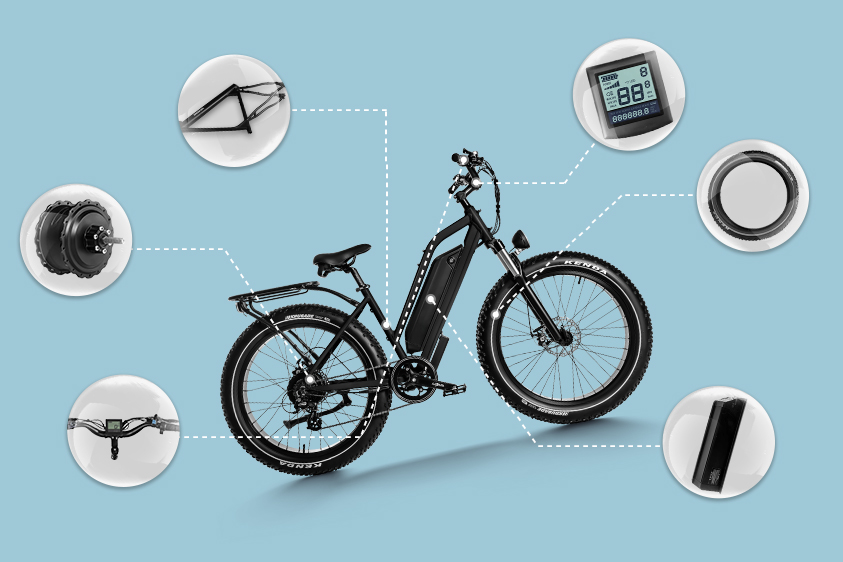
Torque sensors are vital for e-bike performance. They help manage pedal assistance.
E-bikes are growing in popularity. They provide an eco-friendly and efficient way to travel. But, like any technology, they can face issues. One common problem is torque sensor errors. These errors can affect your ride. They cause jerky movements or inconsistent speed.
Understanding these errors helps you fix them. This guide will explain common torque sensor errors. You will learn how to troubleshoot them. By the end, you will know how to keep your e-bike running smoothly.
Identifying Torque Sensor Issues
Your e-bike might feel less responsive. You may notice a delay in pedal assist. Sudden changes in speed can also be a sign. Sometimes, the e-bike might not start at all. Inconsistent performance is another clue. You might also hear unusual noises. These signs indicate sensor problems.
| Error Code | Description |
|---|---|
| E01 | Torque sensor signal lost |
| E02 | Signal out of range |
| E03 | Sensor calibration error |
| E04 | Low battery voltage |
| E05 | High battery voltage |

Credit: www.ebike24.com
Tools For Diagnosis
A multimeter is a must-have. It helps check electrical flow. A torque wrench measures the force applied. Allen keys are useful for adjustments. Pliers and wrenches are also handy. These tools make it easier to identify and fix issues.
Use a diagnostic scanner to read error codes. This can provide precise data on sensor issues. Specialized software can analyze performance. This software connects to the bike’s computer. It gives detailed insights. Both tools help in pinpointing problems quickly.
Checking Sensor Connections
Check each wire. Ensure they are not loose. Tighten any loose wires. Look for any damaged wires. Replace damaged wires. Make sure wires are connected properly. Look for any dirt or moisture. Clean wires if dirty.
Ensure the sensor is securely installed. Check the alignment of the sensor. Proper alignment is crucial. Make sure all bolts are tight. Loose bolts can cause errors. Verify the sensor position. It should not move. Confirm all parts are in place. A misplaced part can cause issues.
Calibrating The Torque Sensor
First, turn off your e-bike. Ensure it is on a flat surface. Next, press and hold the calibration button. Wait for the indicator light to flash. This may take a few seconds. Once it flashes, release the button. The sensor is now in calibration mode. Rotate the pedals slowly. Make sure you rotate them backward. This helps the sensor read correctly. Continue for about 10 seconds. Finally, press the calibration button again. The light will stop flashing. Your torque sensor is now calibrated.
Gather the following tools for calibration:
- Calibration button
- Flat surface
- Indicator light
- E-bike manual
Resetting The Sensor System
Turn off the e-bike. Remove the battery. Wait for 30 seconds. Reinsert the battery. Turn on the e-bike. Check if the sensor error is gone.
Reset the sensor when you see error codes. Do this if the e-bike is not responding well. Also, reset after changing any parts.

Credit: www.voltriderz.com
Addressing Mechanical Issues
Chains can cause torque sensor errors. Check if the chain is loose. A loose chain can skip gears. This affects the sensor. Tighten the chain to prevent errors. Gears should shift smoothly. Look for worn-out gears. Replace them if needed. Clean the chain and gears often. Dirt can cause problems.
Pedal alignment is crucial. Misaligned pedals affect the sensor. Ensure pedals are tight and straight. Check the crankshaft too. A bent crankshaft causes errors. Straighten or replace it. Keep the crankshaft clean. Dirt can cause misalignment. Regular checks help avoid issues.
Software And Firmware Updates
Regular software and firmware updates can help solve common torque sensor errors in e-bikes. These updates often enhance performance and fix bugs, ensuring smoother rides.
Importance Of Updates
Keeping your e-bike software and firmware up-to-date is very important. Updates fix bugs and improve performance. They also add new features and enhance security. An outdated system can cause sensor errors and other problems. Always check for the latest updates. Your e-bike will run smoother and more efficiently.
How To Update Software
First, connect your e-bike to a computer or smartphone. Use the manufacturer’s app or website. Follow the instructions carefully. Make sure the battery is fully charged before starting. Do not turn off the device during the update. This can cause serious issues. Once the update is complete, restart your e-bike. Check if the sensor errors are resolved.
Professional Assistance
Get expert help for fixing common torque sensor errors in e-bikes. Ensure smooth rides by addressing sensor issues accurately and efficiently.
When To Seek Help
Sometimes e-bike issues are tricky. If the torque sensor is not working, seek help. A technician can find the problem quickly. They have the tools and skills to fix it. If the error persists after a few tries, it’s time to call for help.
Choosing A Qualified Technician
Find a technician who knows e-bikes well. Check their reviews and ask for recommendations. Qualified technicians have proper training and experience. They will ensure your e-bike runs smoothly again. Make sure they use genuine parts for repairs. This will keep your e-bike in good shape.

Credit: www.singletracks.com
Frequently Asked Questions
What Causes Torque Sensor Errors In E-bikes?
Torque sensor errors can stem from misalignment, wear and tear, or electrical issues. Regular maintenance can help prevent these problems.
How Do You Reset A Torque Sensor?
To reset a torque sensor, turn off the e-bike, disconnect the battery, wait for a minute, then reconnect and restart.
Can A Faulty Torque Sensor Affect E-bike Performance?
Yes, a faulty torque sensor can lead to inconsistent power delivery and reduced battery efficiency, affecting overall e-bike performance.
How Often Should Torque Sensors Be Calibrated?
Torque sensors should be calibrated every 6-12 months or as recommended by the e-bike manufacturer to ensure accurate readings.
Conclusion
Troubleshooting torque sensor errors in e-bikes can be simple. First, check connections. Loose wires often cause issues. Next, inspect the sensor for dirt. Clean it gently to avoid damage. If problems persist, consult your e-bike manual. Sometimes, a software update fixes errors.
Regular maintenance prevents many sensor problems. Keep your e-bike in top shape. Happy riding!

Leave a Reply